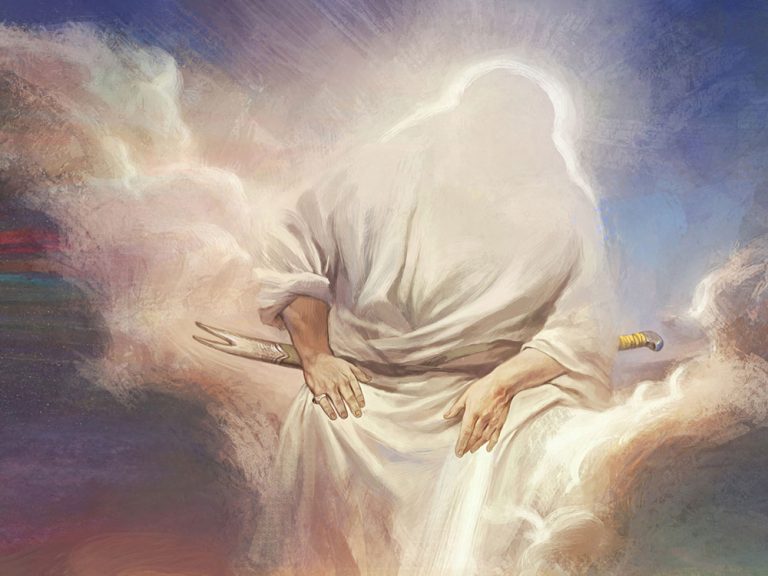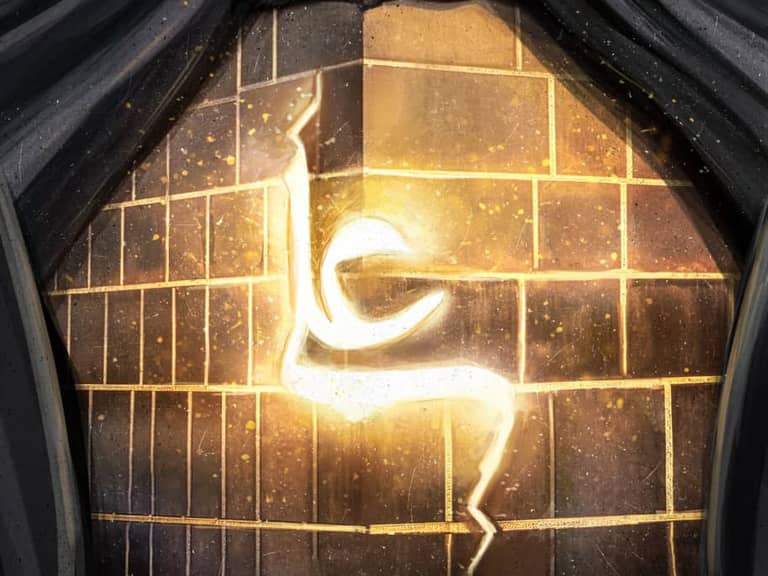

According to renowned historians and hadith authorities, the blessed birth of Amir al-Muminin (peace be upon him) occurred on the thirteenth day of the month of Rajab, thirty years after the Year of the Elephant, inside the sacred precinct of the Kaaba. This is a unique honor and miracle that God granted exclusively to His divinely appointed guardian. It was the birth of the most noble servant of God in the most sanctified place on earth.
The following text highlights this blessed event, presenting narrations from both Shia and Sunni scholars concerning the birth of the Commander of the Faithful, Ali ibn Abi Talib (peace be upon him), in the House of God.
The Birth of the Master of the Pious in the House of God
The noble birth of Amir al-Muminin (peace be upon him) took place on Friday, the thirteenth day of Rajab, in the thirtieth year after the Year of the Elephant, in the holy city of Makkah, inside the Kaaba. Being born within the Kaaba is a divine distinction reserved solely for the Master of the Pious. Before him and after him, no one was ever granted this honor.
His mother, Lady Fatima bint Asad, is counted among the earliest women to embrace Islam, and his father, Abu Talib ibn Abd al-Muttalib, was the noble protector of Prophet Muhammad (peace be upon him and his family).
Addressing Misconceptions Regarding the Birth of Amir al-Muminin (peace be upon him) in the Kaaba
Some have claimed that since the Kaaba had been turned into a shrine containing idols by the polytheists during that time, the birth of Amir al-Muminin (peace be upon him) inside it does not indicate any special merit. This claim is invalid, as the Holy Quran itself names the Kaaba as the “House of God,” stating:
“And (mention, O Muhammad) when We designated for Abraham the site of the House (saying), ‘Do not associate anything with Me, and purify My House for those who circumambulate, stand, bow, and prostrate in prayer.’”
Furthermore, it is a matter of historical fact that before the Quranic command to change the direction of prayer, Muslims continued to pray toward the Kaaba, even while idols stood within it. Therefore, this objection holds no weight.
A second claim asserts that Shia Muslims fabricated this event and exaggerated its historical significance. However, a scholarly review of Sunni historical sources verifies the authenticity of this event. Below are statements from leading Shia and Sunni scholars affirming the historic reality of this birth.
Shia Scholarship on the Birth inside the Kaaba
Shaikh al-Saduq
He records the account of Imam Ali’s (peace be upon him) birth in the Kaaba across three of his authored works, and al-Najashi cites a book attributed to him titled “The Birth of Amir al-Muminin (peace be upon him).”
Shaikh al-Mufid
One of the foremost Shia scholars, Shaikh al-Mufid, writes:
“Amir al-Muminin Ali ibn Abi Talib (peace be upon him) was born on Friday, the thirteenth of the month of Rajab, thirty years after the Year of the Elephant, in the House of God in Mecca. Before him and after him, no one was ever born in the House of God. This event is a sign of the divine honor bestowed upon him.”
Shaikh al-Tusi
The Shaikh al-Taifah states:
“On Friday, the thirteenth of Rajab, thirty years after the Year of the Elephant, he was born in the House of God in the city of Makkah.”
Sayed al-Radi
Sayed al-Radi writes:
“He was born on the thirteenth of Rajab, thirty years after the Year of the Elephant, inside the House of God in Makkah. No one before him or after him was ever born there.”
Al-Tabarsi
Al-Tabarsi records:
“He was born on Friday, the thirteenth of the month of Rajab, thirty years after the Year of the Elephant, inside the House of God in Makkah. No child before or after him was ever born in the House of God. God granted him this exclusive virtue as a sign of His exaltation of Amir al-Muminin (peace be upon him).”
Sunni Scholarship on the Birth in the Kaaba
Al-Hakim al-Nishaburi
The esteemed Sunni hadith authority writes:
“It has reached the level of tawatur (mass-transmission) that Fatima bint Asad gave birth to Amir al-Muminin (may God ennoble his face) inside the Kaaba.”
Sibt ibn al-Jawzi
The major Sunni historian records:
“It is narrated that Lady Fatimah bint Asad was circumambulating the House of God while pregnant when the pangs of childbirth struck her. The wall of the Kaaba opened for her, she entered, and she gave birth inside the House.”
Shah Waliullah al-Dihlawi
In “Izalat al-Khafa,” the leader of the Nawasib of India writes:
“Among his (may God be pleased with him) virtues is that during his birth, a miracle became manifest, namely that he was born within the Sacred Kaaba.”
Al-Ganji al-Shafi
The Shafi scholar writes:
“He was born on the night of Friday, the thirteenth of Rajab, thirty years after the Year of the Elephant, inside the House of God. No one before him and no one after him was ever born there. This is among his exclusive merits, granted by God to honor his rank.”
Al-Masudi
The Shafi historian al-Masudi writes succinctly:
“The place of birth of Amir al-Muminin (peace be upon him) was the Kaaba.”
These testimonies demonstrate that the birth of Amir al-Muminin (peace be upon him) inside the Kaaba is a well-established historical truth, verified in both Shia and Sunni sources, and comprehensively documented by Allamah al-Amini in “Al-Ghadir.” Many scholars, including al-Hakim al-Nishaburi, emphasize that the event is mutawatir (universally transmitted), and even Ibn Taymiyah states that denying it amounts to rejecting an established truth.
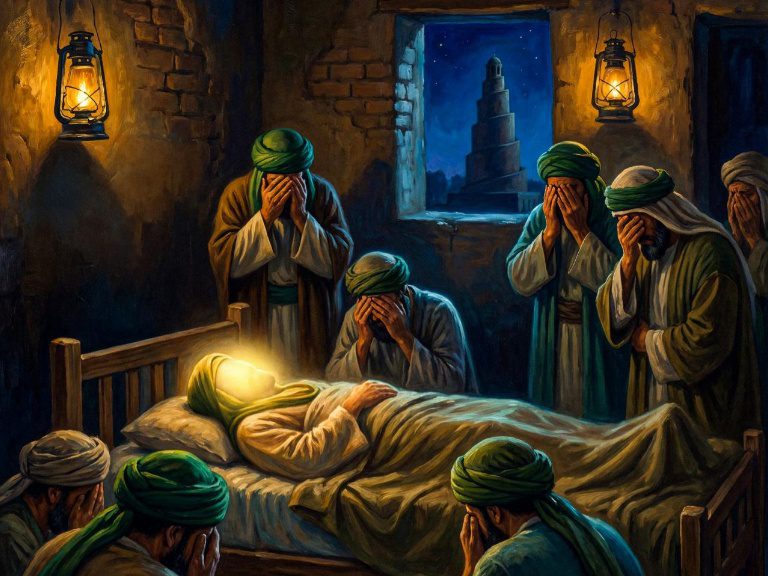
Imam Ali (peace be upon him) entered this world in the holiest point on earth—the Kaaba, the symbol of monotheism—and his martyrdom took place in a sacred place as well: the mosque. Not only that—he was struck in the state of prostration, at the peak of humility before God.
When both “the Kaaba” and “the mosque” become the beginning and end of the life of the Master of the Pious, history itself speaks: this was a man who lived entirely for God. His greatness was not merely political or military; he was the Friend of God—the exemplar of justice, piety, and worship. Amir al-Muminin (peace be upon him) came forth from the House of God, and in the way of God, he departed to meet his Lord.